Discovering Top Rated Premier Rug & Carpet Cleaning LLC
Do-It-Yourself Oriental Rug Cleaning: Detailed Steps for Beautiful Outcomes
Cleaning Oriental rugs yourself demands meticulous attention to detail. It commences by assembling required supplies and assessing the rug for any wear. Getting rid of dirt is crucial before introducing any cleaning mixture. Color stability checks can stop unwelcome dye bleeding. This methodical approach guarantees stunning results. However, the process does not end there. Learning proper drying and maintenance techniques is similarly essential. The subsequent stages will demonstrate how to secure lasting attractiveness.
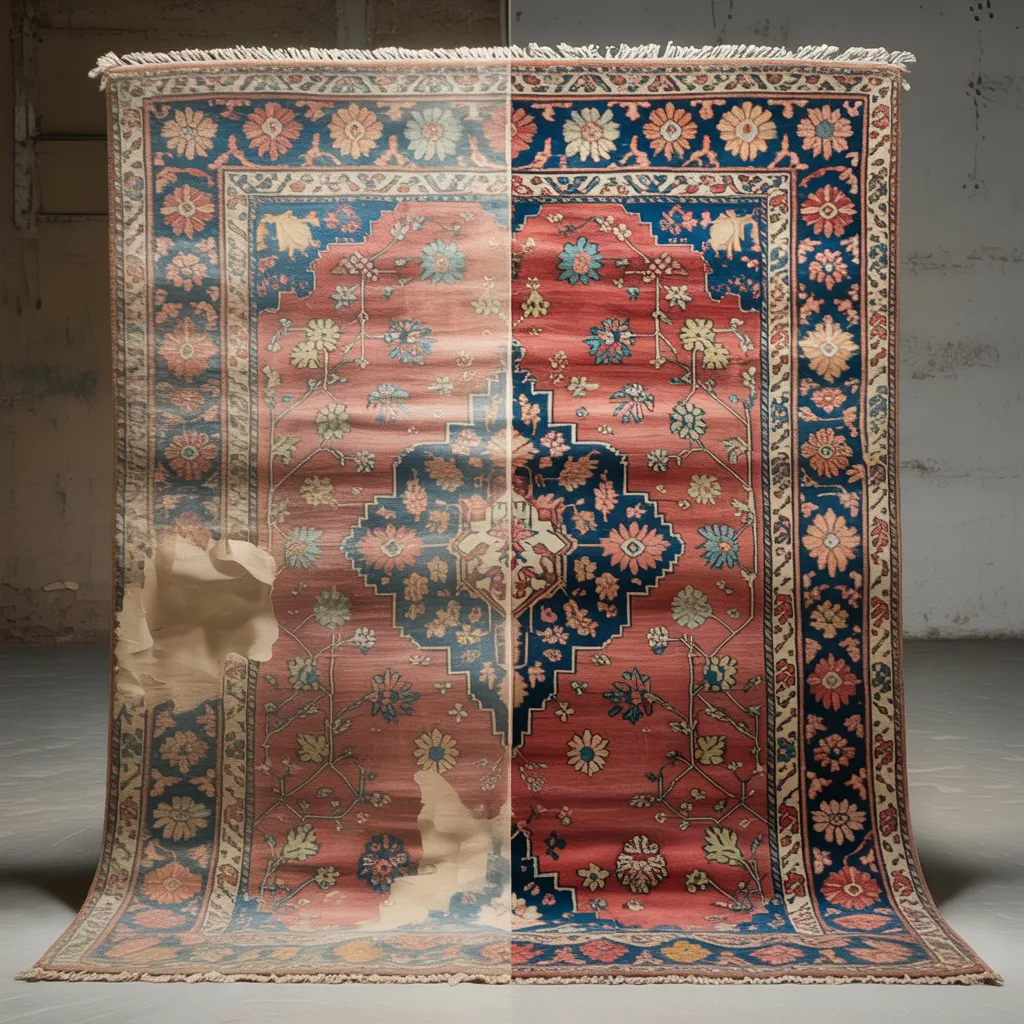
Assemble Your Cleaning Products
Before starting the task of cleaning an Oriental rug, it is important to gather the required cleaning supplies. This preparation secures a smooth cleaning process and helps achieve the best results. The first item on the list should be a vacuum cleaner equipped with a soft brush attachment. This tool is crucial for removing loose dirt and debris without damaging the fibers.
Next, a soft detergent expressly formulated for delicate fabrics is important. It should be pH neutral to prevent discoloration. A soft-bristle brush or sponge will help with applying the cleaning solution carefully. Furthermore, a clean cloth or towels are necessary for blotting away excess moisture after cleaning.
Finally, a bucket of tepid water will be required for rinsing the rug. By collecting these supplies beforehand, one can effectively tackle the cleaning task, ensuring that the Oriental rug maintains its beauty and integrity during the process.
Prepare Your Rug for Cleaning
Before cleaning an Oriental rug, it is crucial to prepare the piece properly. This involves checking for any damage, removing loose dirt, and verifying colorfastness to ensure the cleaning process does not cause further harm. Following these preliminary steps will help preserve the rug's overall quality and look.
Inspect for Defects
Conducting a thorough damage assessment is necessary when preparing an oriental rug for cleaning. This step enables the owner to spot any issues that may require special attention during the cleaning process. Inspect the rug carefully for any worn edges, loose threads, or tears, as these can become worse if not addressed. Stains should also be identified, as certain types may necessitate specific cleaning methods. Moreover, examining the backing and foundation of the rug is vital, as damage there could compromise the rug's integrity. By recording these concerns, the owner can evaluate whether professional repairs are required before proceeding with the cleaning process, ensuring the rug remains beautiful and intact for years to come.
Remove Detached Soil
Getting rid of loose dirt is an important step in the preparation of an oriental rug for cleaning. This process guarantees that larger particles won't compromise the cleaning solution's effectiveness. To begin, one should gently shake the rug outdoors to dislodge any embedded dirt. Subsequently, a vacuum cleaner with a brush attachment can be used to carefully remove remaining debris from the surface. It is essential to vacuum in the direction of the pile to evade damaging the fibers. For areas with stubborn dirt, a soft-bristle brush can help lift the particles without harming the rug. Consistently executing this task not only enhances the rug's appearance but also extends its lifespan, making it a significant part of routine maintenance.
Test Dye Stability
To make certain that the cleaning process does not alter the rug's colors, colorfastness testing is a crucial step. This involves choosing a small, hidden area of the rug, optimally on the edge or back. A damp white cloth or cotton swab should be softly applied against the fibers to check for color transfer. If color bleeds onto the cloth, the rug may not be colorfast and demands special cleaning precautions. In such cases, professional cleaning may be the best option. If no color transfers, the rug is likely safe to clean using the selected method. This simple test can stop potential damage, guaranteeing the vibrant hues of the rug remain intact throughout the cleaning process.
Evaluate Color Stability
Assessing colorfastness is critical to stop unexpected dye transfer in the cleaning process of an oriental rug. Multiple solutions can be utilized for this purpose, and specific techniques can help establish a rug's tolerance to water and cleaning agents. Understanding the importance of colorfastness guarantees the preservation of the rug's vivid colors and overall integrity.
Understanding Color Permanence Significance
Grasping colorfastness is vital when cleaning an oriental rug, as it determines how well the dyes will withstand cleaning solutions and methods. Colorfastness represents a dye's resistance to fading or running when exposed to moisture, temperature fluctuations, and chemicals. Rugs made with natural fibers and dyes may be more vulnerable to color bleeding, which can cause unsightly stains or discoloration. Testing for colorfastness ahead of using any cleaning solution helps identify potential risks, ensuring that the chosen method will not damage the rug's appearance. By assessing colorfastness, one can select appropriate cleaning techniques, preserving the rug's vibrancy and integrity while effectively removing dirt and stains. This precaution in the end contributes to the longevity of the oriental rug.
Perfect Testing Solutions
Prior to using any cleaning solution to an oriental rug, it is crucial to conduct a colorfastness test to prevent potential damage. This test aids in identifying if the dyes in the rug will bleed or fade when exposed to moisture or cleaning agents. An ideal testing solution includes using distilled water, as it is devoid of contaminants that may affect results. A small cotton swab or white cloth can be moistened with the distilled water and then gently applied to an inconspicuous area of the rug. Observing any color transfer onto the cloth shows that the rug is not colorfast. If no color is transferred, it is safe to continue with cleaning solutions, guaranteeing the longevity and vibrancy of the rug's colors.
Testing Methods Clarified
Colorfastness tests are fundamental to ensuring the safety of an oriental rug during the cleaning process. To perform this test, one must select a small, inconspicuous area of the rug and apply a damp white cloth or cotton swab. By gently rubbing the area, one can observe if any dye transfers onto the cloth. If color bleeds onto the cloth, it signals that the rug is not colorfast, and special care should be taken during cleaning. Alternatively, a few drops of water or a mild detergent can be applied to test for color stability. If no color transfers, the rug is likely safe to clean using standard methods. This precaution helps prevent irreversible damage and protects the rug's beauty.
How to Vacuum Your Oriental Rug
Frequent vacuuming is necessary for keeping the beauty and longevity of an Oriental rug. This practice helps to remove dirt, dust, and allergens that can collect in the fibers over time. To effectively vacuum an Oriental rug, it is important to employ a vacuum cleaner with adjustable height settings to avoid damaging the delicate fibers.
Vacuum cleaning should be carried out in the direction of the pile to avoid fraying and to provide a thorough clean. It is recommended to avoid beater bars, as they can be overly aggressive for intricate designs and materials. Instead, a suction-only setting is preferred.
For ideal maintenance, vacuuming should occur at least weekly, or more frequently in high-traffic areas. In addition, it is helpful to occasionally shake or gently beat the rug to help dislodge trapped dirt, helping to ensure that the rug stays vibrant and visually appealing.
Effective Hand Washing Practices
Hand-washing an Oriental rug can rejuvenate its appearance and lengthen its life. To start, it is crucial to identify a suitable area with sufficient space, optimally outdoors or in a properly ventilated room. The rug should be thoroughly vacuumed to remove loose dirt and debris before washing. Using a soft rug shampoo mixed with cool water, the homeowner can spread the solution with a soft brush, working in the direction of the fibers to avert damage. It is important to steer clear of excessive scrubbing, as this can produce fraying or distortion of the rug's pattern. Rinsing should be performed carefully with clean water to verify no soap residue remains, which could attract dirt over time. Furthermore, it's advisable to spot test any cleaning solution on a hidden area to ensure that colors do not bleed. This meticulous approach can provide effective cleaning without jeopardizing the integrity of the rug.
Ensuring Your Rug Dries Properly
After the hand washing process is complete, correct drying is crucial to preserving the rug's condition. The rug needs to be positioned flat on a clean, dry surface to prevent any distortion of its shape. Keep away from direct sunlight, as it can lead to fading and harm to the fibers. Instead, a properly ventilated space is best suited for drying. If possible, setting the rug outside on a mild, windy day can expedite the drying process while keeping its vivid hues intact.
It is important to systematically examine the rug in the course of drying time to confirm that both sides are drying evenly. Rotating the rug now and then serves to stop moisture from getting trapped, which can bring about mildew growth. If the rug is particularly thick, it may need more time to dry entirely. Once the rug feels completely dry, it can be gently combed to bring back its appearance and texture.
Preserving Your Oriental Rug Post Cleaning
Though cleaning an Oriental rug is critical for its longevity, maintaining it afterward is equally important to guarantee it remains in pristine condition. Ongoing maintenance practices help maintain the rug's overall health and appearance. First of all, vacuuming the rug weekly helps eliminate dirt and dust, preventing them from settling into the fibers. It is advisable to use a vacuum cleaner without a beater bar to avoid damaging the delicate threads.
In addition, placing the rug in a minimal-traffic area minimizes wear and tear. When spills occur, they should be dealt with right away by blotting with a clean, dry cloth, avoiding harsh chemicals that could damage the dye. In addition, rotating the rug regularly ensures even wear and sun damage from sunlight. Finally, professional cleaning every few years helps protect the rug's integrity and color vibrancy, making these practices crucial for enduring maintenance.
Common Questions
Can a Steam Cleaner Be Used on My Oriental Rug?
Steam cleaners are generally not recommended for oriental rugs. The combination of high heat presentation and moisture may damage sensitive fibers and dyes, which could lead to warping or color fading. Professional cleaning methods are preferable for preservation.
How Frequently Do I Need to Clean My Oriental Rug?
Oriental rugs should ideally be cleaned every 1 to 3 years, depending on traffic volume and surrounding conditions. Routine vacuuming and immediate stain care can extend the time between deep cleanings, protecting the rug's beauty.
What's My Best Course of Action for Rug Stains?
To address stains on an Oriental rug, one should gently blot the area with a clean cloth, apply a suitable cleaning solution, and test it in an inconspicuous spot before beginning the cleaning.
Are There Any Professional Cleaning Services for Oriental Rugs?
Yes, there are professional cleaning services that specialize in oriental rugs. These specialists employ advanced techniques and equipment to provide thorough cleaning while preserving the rug's intricate designs and materials, offering a safe alternative to DIY methods.
Is Using Bleach on My Oriental Rug Safe?
Applying bleach on an oriental rug is not advisable. It can result in discoloration, damage fiber structure, and compromise the rug's structural integrity. As an alternative, mild, specialized cleaning solutions are recommended to protect the rug's beauty and longevity.